
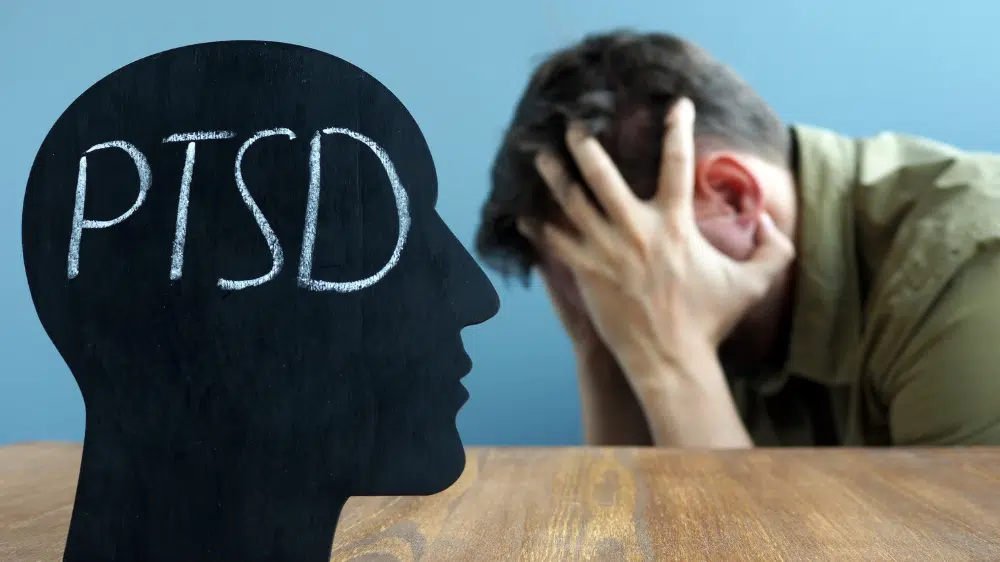
Some wounds are not visible, yet they remain deeply imprinted and alive within us. Post Traumatic Stress Disorder is an anxiety disorder that can appear after someone has experienced or witnessed a traumatic event; it is the imprint of a shock the mind could not forget. PTSD is a mental health condition that may develop after experiencing or witnessing a traumatic incident, such as an accident, natural disaster, abuse, loss, or a war related experience. Not everyone develops PTSD after trauma, but when the psyche is unable to process what happened, a person can remain “stuck” in the shock.
Stages of Post Traumatic Shock
The experience of trauma activates a series of psychological and neurobiological reactions. These stages are not always linear. Some people remain “stuck” in one stage for a long time, while others move through the stages faster, or alternate between them.
- The Initial Shock (Shock Phase)
- Immediate reaction to the traumatic event.
- The body activates the “fight or flight” mechanism.
- Numbness, a sense of derealization, depersonalization, or panic may appear.
- The brain tries to protect the person from fully realizing what happened.
- Denial and Emotional Distancing (Denial Phase)
- The person avoids remembering or talking about the event.
- They may appear “calm” externally, but internally they suppress fear and sadness.
- Distancing can function temporarily as a defense, but if it persists, it prevents the processing of the trauma.
- Re Experiencing the Trauma (Intrusive Phase)
- The trauma “returns” through intrusive memories, nightmares, or flashbacks.
- Intense anxiety or panic appears without an obvious cause.
- The body and mind react as if they are reliving the trauma, even years later.
- Emotional Hyperarousal (Hyperarousal Phase)
- The organism remains in constant “alarm.”
- Irritability, difficulty sleeping, difficulty concentrating, and palpitations may appear.
- The nervous system cannot return to a state of calm.
- Acceptance and Reintegration (Integration Phase)
- The person begins to acknowledge and process the trauma.
- Through psychotherapy or support, the sense of safety and trust returns.
- The trauma is integrated into life as an experience, not as a permanent wound.
This phase is characterized by increased psychological resilience and reconnection with oneself and others.

How to Tell If I Have Post Traumatic Stress (PTSD)
Sometimes, something we lived through, such as an accident, a loss, abuse, a difficult experience, can leave wounds inside us that do not “close” easily. Even as time passes, we may feel that we cannot truly get over it. This is the point where we may be talking about post traumatic stress (PTSD).
🔍 Some signs worth paying attention to:
- You relive the event often in your mind, in dreams, or as if it is happening again.
- You avoid places, people, or situations that remind you of it.
- You feel nervousness, fear, or tension without an obvious reason.
- You have difficulty sleeping or relaxing.
- You may have outbursts of anger or feel “numb,” without emotions.
- Sometimes you feel that you are not the same person anymore.
If you recognize some of these, it does not necessarily mean you have PTSDPTSD, but it is a sign that you may need care and support.
Take the post traumatic stress test (PTSD)
Why do traumatic events cause such an intense shock?
When we go through something very frightening, threatening, or painful, our brain reacts automatically to protect us. It activates the well known “fight or flight” mechanism, releases adrenaline, increases heart rate, and keeps the body and mind on alert. This reaction is useful in the moment of danger. The problem begins when the brain does not “turn off the alarm” after the event. Essentially, the mind “gets stuck” in the trauma, as if it is still happening, and this is how flashbacks, nightmares, anxiety and hypervigilance are born.
In addition, traumatic events shatter the sense of safety we have about the world and ourselves.
Before the trauma, we believe that “such things do not happen to us” or that “if I am careful, I will be safe.”
But when something terrible happens, that belief collapses and, with it, our psychological stability.
So the shock is not only emotional; it is neurological and psychological. The brain struggles to “file” the trauma as a past event and keeps reliving it as if it were present.
Core mood related symptoms
The mood related symptoms of PTSD mainly concern a person’s emotional state and psychological wellbeing after a traumatic event. They often affect mood, thoughts, and behavior, and may persist for months or years if not addressed.
- Depression
- Persistent sadness or emptiness
- A sense of hopelessness or guilt
- Constant worry or tension
- Irritability and nervousness
- Hyperarousal reactions in situations that resemble the trauma
- A sense of being responsible for the traumatic event
- Harsh self criticism and low self esteem
- Avoidance of emotional bonds with friends, family, or a partner
- Reduced ability to feel joy or love
Anger outbursts
- Unpredictable or excessive expressions of anger
- A strong sense of distress in situations that may seem minor to others
Feelings of shame or humiliation
- Often accompanied by social withdrawal
- Avoidance of activities due to fear of criticism
Loss of interest in everyday life
- Difficulty concentrating
- Reluctance toward professional or social activities
These mood symptoms usually coexist with other PTSD symptoms, such as re experiencing the trauma, nightmares, hyperarousal, and avoidance of situations that remind the person of the traumatic event.
If you feel that an event has affected you more than you expected, talk today with a specialist through online psychotherapy and take the first step to find your calm again.

Professions with increased risk of Post Traumatic Stress
Below are the main professional categories that show higher rates of PTSD, according to research data and psychological studies.
👮♂️ Sectors of Security Services (Police, Coast Guard, Fire Service)
People working in security services are often exposed to:
violent incidents, crimes, road traffic accidents,
deaths or injuries of colleagues,
chronic stress and loss of control in critical situations.
🔹 Research shows that up to 20% of police officers experience PTSD symptoms at some point in their career.
🪖 Military Personnel and Veterans
This is the most well known high risk group. Exposure to demanding combat, the loss of comrades, injuries, and moral dilemmas makes PTSD very common among military personnel.
🔹In international studies, the rate ranges from 10% to 30%, depending on the nature of the mission and the length of service.
🚑 Healthcare Professionals (doctors, nurses, paramedics)
Healthcare professionals, especially those working in:
Emergency Departments,
Intensive Care Units,
ambulances or war zones,
are frequently exposed to human suffering, losses, and repeated traumatic events. The COVID 19 pandemic dramatically increased PTSD cases in healthcare.
🔹 It is estimated that up to 25% of nurses experience symptoms of post traumatic stress.
🧑🚒 Rescue Professionals and Humanitarian Workers
Those who work in natural disasters, war zones, or rescue missions (for example, Red Cross, NGOs, rescuers in earthquakes or floods) experience:
images of mass loss,
humanitarian distress,
lack of control and inability to intervene in every incident.
🔹 Rates of PTSD here range between 15% and 35%, depending on the nature of exposure.
👩🏫 Teachers and Social Workers in challenging environments
Those who work with children who have experienced abuse, poverty, or domestic violence often experience secondary trauma or emotional exhaustion (burnout). This is not direct exposure to violence, but indirect exposure to trauma, which can have similar consequences.
🧑🚀 Journalists, photojournalists, and war correspondents
Journalists covering conflicts, accidents, or natural disasters are directly exposed to traumatic images, scenes of violence, and human tragedies, often without adequate support.
🔹 Research shows that up to 28% of war correspondents develop PTSD symptoms.
👷♂️ Workers in dangerous or unstable occupations
For example, miners, seafarers, heavy vehicle drivers, construction workers in high risk sites. They often face accidents, severe injuries of colleagues, or conditions of intense stress that can lead to PTSD.
PTSD Treatment
Step 1: Initial Assessment
Goal: Understand the severity and nature of symptoms.
- Contact a psychiatrist or psychologist for a full assessment.
Use standardized questionnaires to evaluate PTSD.
Document trauma history, symptoms, sleep, anxiety, depression.
Step 2: Medication Support (if needed)
Always under medical supervision, especially for sleep medication or anxiolytics.
Goal: Reduce symptoms and facilitate psychotherapy.
Step 3: Group or family support
PTSD groups: Sharing experiences, reducing isolation.
Family involvement: Education on how to support the person.
Important: Support strengthens safety and trust.
Step 4: Complementary methods
Method | Purpose |
|---|---|
Mindfulness and meditation | Stress reduction, control of hyperarousal |
Somatic therapy | Release of trauma related bodily tension |
Exercise and yoga | Improved mood and physical resilience |
Art, music, dance | Expressing emotions in a non verbal way |
Healthy sleep and nutrition | Stabilizing the nervous system |
Step 5: Follow up and Reassessment
- Regular sessions with a psychiatrist or psychologist to monitor progress.
- Reassessment of symptoms.
- Adjustment of treatment.
Step 6: Long term relapse prevention
- Ongoing self care and stress management techniques.
- Support from friends, family, groups.
- Maintaining routines for sleep, nutrition, physical activity.
- Training in recognizing early signs of relapse.
✅ Key to success:
- A combined approach: psychotherapy plus medication plus support.
- Continuous monitoring: treatment adjustment according to progress.
- Individualized approach: every PTSD presentation is unique; there is no “one size fits all.”
PTSD is treatable; with the right care and support, a person can regain control, safety, and quality of life.
If you have been affected by a traumatic event and are experiencing PTSD symptoms, book a first psychotherapy session today from the comfort of your own space. Early response makes a difference.
Conclusion
Post Traumatic Stress Disorder (PTSD) is a real and treatable mental health condition. Even though symptoms such as nightmares, anxiety, intrusive memories, and avoidance can feel endless, recovery is absolutely possible. It is true that people with PTSD may feel anxiety or fear even when they are not in danger.
Treatment does not mean “forgetting” the trauma; it means integrating it as part of your story without letting it define you. PTSD is not lifelong. With the right treatment, understanding, and care, it is entirely possible to rebuild trust in yourself and move forward, not as you were before, but stronger, more self aware, and freer.
Bibliography
- American Psychiatric Association. (2013). Diagnostic and Statistical Manual of Mental Disorders (5th ed.). Washington, DC: APA.
- Bisson, J. I., & Olff, M. (2020). Psychological treatments for PTSD: Current evidence and future directions. Current Opinion in Psychology, 14, 30–35.
- Shapiro, F. (2018). Eye Movement Desensitization and Reprocessing (EMDR) Therapy: Basic Principles, Protocols, and Procedures (3rd ed.). New York: Guilford Press.
- Clinical Guide to Behavioral Therapy in Anxiety Disorders, Obsessive-Compulsive Disorder, and Post-Traumatic Disorder. Athens: VITA Publications.
- Kathimerini (2025, January 8). Post-Traumatic Stress Disorder (PTSD): When fear strikes the heart. Available at https://www.kathimerini.gr/life/health.
- Kathimerini (2025, September 17). How to recover from Post-Traumatic Stress Disorder. Available at https://www.kathimerini.gr/life/harvard.
- Anderson, F. (2024). Leaving Trauma Behind: Healing Complex Trauma with Internal Family Systems (IFS) Therapy. Translation: N. Kosmas. Athens: 24 Grammata Publications.
Related articles