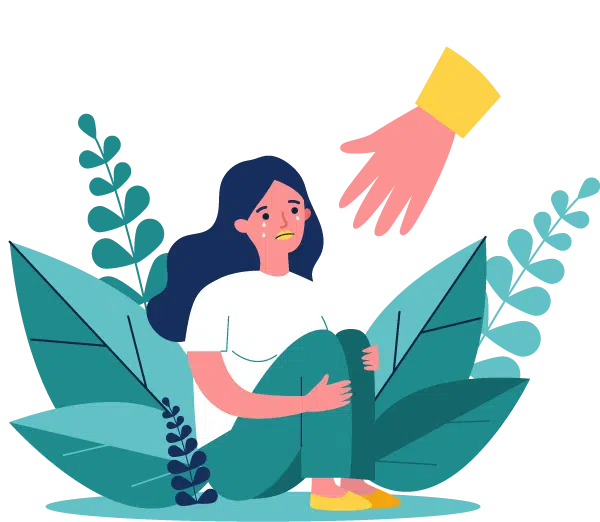

Insecurity: The Invisible Companion of Everyday Life.
How many times have you felt that you are not enough? That no matter what you do, it is not enough? Insecurity is not simply a passing feeling. It is an invisible companion that can affect every aspect of our lives: relationships, work, self-esteem. Insecurity is linked to self-devaluation, which is repeatedly born within us through our constant tendency to compare ourselves relentlessly with those around us. Insecurity can feel like invisible chains, yet the power to break them is already within you. Are you ready to discover it?
What is insecurity?
Insecurity is a complex psychological experience that includes doubts about our worth, fear of rejection, and a sense of inadequacy, often accompanied by intense self-criticism. It is not limited to certain ages or social groups. It can concern anyone, regardless of achievements or social status. It is a painful emotional state connected to low self-esteem and reduced self-confidence.
How does insecurity develop?
Insecurity develops through a combination of personal, social, and biological factors that shape self-esteem and the way we perceive ourselves and our relationships.
Main causes of insecurity:
- Childhood experiences: strict parents, excessive criticism, or neglect. A child who grows up repeatedly hearing that they are not good enough may develop lasting self-doubt. Emotional neglect or abandonment: the absence of emotional support leads to fear of not being accepted. Comparison with siblings or peers: constant comparison cultivates competitiveness and a sense of inadequacy.
- Comparison with others: through social media or social pressure. Continuous comparison with other people’s images and achievements strengthens the belief that I am not enough.
- Traumatic experiences: rejection, abandonment, or abuse. Failures or rejections in childhood or adolescence can leave a lasting mark of insecurity. Dysfunctional relationships with friends or partners, such as jealousy, abuse, or abandonment, intensify doubts about our value.
- Low Self esteem: difficulty recognizing one’s own worth. When a person cannot acknowledge their abilities or appreciate their achievements, a constant inner questioning develops. Self-esteem can be influenced by school, the social environment, or the workplace.
Insecurity takes shape when negative experiences and inner doubts repeat and become established:
- A childhood or adult trauma leads to inner doubt about our worth.
- Reinforcement through social comparison increases the pressure to be accepted.
- Perfectionism and self-criticism turn negative thoughts into a stable pattern.
- Lack of support allows doubt to transform into emotional insecurity.
The result is a cyclical pattern of negative thoughts and emotions that affects relationships, self-esteem, and decision-making.
Every small step matters. Seek support from a professional and gradually build self-esteem and confidence in your life. 🌟
What is emotional insecurity? 💔
Emotional insecurity is a deep sense of inadequacy and uncertainty that shapes how we view ourselves, our relationships, and the world around us. It is closely connected to the fear of rejection, abandonment, and criticism. The person may struggle to commit and to create closeness, and due to intense suspicion may constantly seek ongoing reassurance.
Symptoms and behaviours
😟 Fear of rejection or abandonment
💔 Excessive jealousy or anxiety in relationships
🔒 Difficulty with trust and intimacy
✅ A need for constant reassurance
⏳ Procrastination or limiting personal choices
Causes of emotional insecurity ⚠️
- Childhood experiences: lack of emotional support, criticism, or neglect.
- Traumatic experiences: rejection or dysfunctional relationships in childhood or adulthood.
- Low Self esteem: difficulty recognizing personal worth.
- Social comparison: strong influence of Social media or social standards.
- Perfectionism: excessive expectations for oneself and for relationships.
Impact on our lives🌀
- 😰 Anxiety and stress
- 😞 Depression or a sense of loneliness
- 💔 Difficulties in relationships
- ⏳Limiting opportunities and personal goals
Do you feel that insecurity is holding you back? Book an appointment with one of our licensed therapists today and begin believing in yourself again.
Insecurity and fear
nsecurity and fear are closely related. Insecurity often generates fear, while fear strengthens insecurity, creating a cycle of emotional strain. Managing fear is essential in order to reduce insecurity and improve psychological wellbeing.
Fear is a natural emotional response to real or perceived threats. When it is linked to insecurity:
- It can become excessive or prolonged
- Affects decision-making and action
- Leads to avoidance of new experiences or relationships
- Strengthens negative thoughts and self-doubt
- Keeps us trapped within our comfort zone.
How does insecurity strengthen fear?
- Fear of rejection or failure
- Insecurity means doubt about our worth and abilities, which leads to fear that we will fail or be rejected.
- Fear of exposure 😔
- We may feel that others will see our weaknesses, so we avoid expressing ourselves or taking action.
- Fear of uncertainty ⚠️
- Insecurity increases discomfort toward the unknown or unfamiliar situations.
- The circular mechanism 🔄
- Insecurity leads to fear, fear leads to avoidance, avoidance strengthens doubt, and the cycle begins again.

How to overcome insecurity: From understanding to change
- Identify the cause. The first and most important step is to understand where your insecurities come from. This may include recognizing negative thoughts and behavioral patterns that have been internalized through childhood experiences or parental behaviors, including the transmission of intergenerational trauma.
- Become an external observer of yourself. Try to notice what is happening around you and to approach situations with reason. Remember that most fears belong to imagination and do not reflect reality. Of what we think will happen, it is likely that only a small fraction will actually occur.
- Choose the right environment for you. Avoid people who negatively affect your psychological state. Build relationships with those who support you, care for you, encourage you, and lift your mood.
- Stop comparing yourself. You are unique.
- Talk about your fears. Expressing your fears can be an important step in facing them.
- Set realistic expectations and goals.
Explore ways to reframe. Map the way you think about your goals, explore your insecurities, and design ways to remove the obstacles connected to them.
Conclusion
Remember that insecurity is not always negative, even though it comes with humility and sensitivity. Insecurity is a natural emotion, but when it becomes chronic, it can limit self-esteem, relationships, and our personal integrity and growth. Developing self-confidence is a valuable gift we can offer ourselves. It influences overall quality of life and supports personal wellbeing. Addressing insecurity requires self-awareness, strengthening self-esteem, practical management of fear and emotions, honest communication, and psychological support. With gradual effort, small steps, and support, insecurity can decrease significantly, allowing a life with more psychological wellbeing, calm, and emotional freedom.
Bibliography
- Neff, K. (2011). Self-Compassion: The Proven Power of Being Kind to Yourself.
- Beck, A. (2011). Cognitive Therapy and the Emotional Disorders.
- American Psychological Association (2023). Understanding Self-Esteem and Insecurity.
- Smith, J., and Alloy, L. (2009). A roadmap to understanding anxiety and self-doubt. Journal of Clinical Psychology, 65(4), 345-360.
- Mind.org.uk (2022). Overcoming low self-esteem.
Related articles