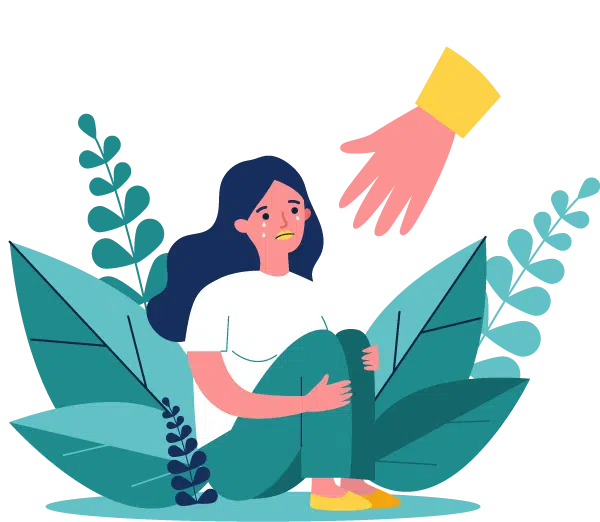

Imagine waking up every morning feeling exhausted, even before your day has begun. Your responsibilities feel like a mountain, the job that once energized you now feels unbearable, and even small obstacles make you doubt yourself. Does this vicious cycle sound familiar? If so, you may be experiencing professional burnout. But how can you recognize it early - and, most importantly, how can you address it before it completely overwhelms you?
Statistics and the scale of burnout
Burnout is more than just “feeling tired.” According to the World Health Organization (WHO), it is a recognized occupational phenomenon that affects millions of workers worldwide:
🌍 Globally, 77% of professionals report that they have experienced burnout at work (Gallup, 2023).
🇬🇷 In Greece, more than 50% of employees report feeling mentally and physically exhausted due to work (INE-GSEE, 2022).
The phenomenon affects healthcare professionals, educators, and business executives particularly strongly.
Burnout symptoms: how to recognize the warning signs
Burnout tends to show up through:
Physical symptoms: Fatigue, headaches, insomnia, frequent illnesses.
Emotional symptoms: Cynicism, emotional withdrawal, and apathy.
Behavioral signs: Difficulty concentrating, procrastination, withdrawal from social activities.
If you feel you are experiencing some of these symptoms, reach out today to one of our licensed therapists.
Why is burnout becoming more common?
The rise in burnout is not accidental. Some of the main contributing factors include:
🌐 Technology and constant connectivity: Remote work has blurred the boundaries between professional and personal life.
📈 Excessive demands at work: Heavy workload and unrealistic expectations lead to mental exhaustion.
🛡️ Lack of support: Limited recognition, poor leadership, and a toxic work environment can intensify burnout.

Practical ways to cope with burnout
If you feel you are approaching burnout, there are ways to regain control. What matters is making changes - early.
💪 Set boundaries: Don’t respond to emails outside working hours. Protect your personal time.
💃 Move your body: Exercise releases endorphins and reduces stress.
📞 Seek professional support: Psychotherapy can help you regain control of your life.
You don’t have to go through this alone. Our platform offers online psychotherapy with experienced psychologists who can support you. Start today and get the help you deserve.
Bibliography
Gallup (2023). “State of the Global Workplace Report.”
WHO (2019). “Burn-out an occupational phenomenon.”
INE-GSEE (2022). “Report on working conditions in Greece.”
Mednet.gr (2023). “The burnout syndrome in our country.”
Related articles