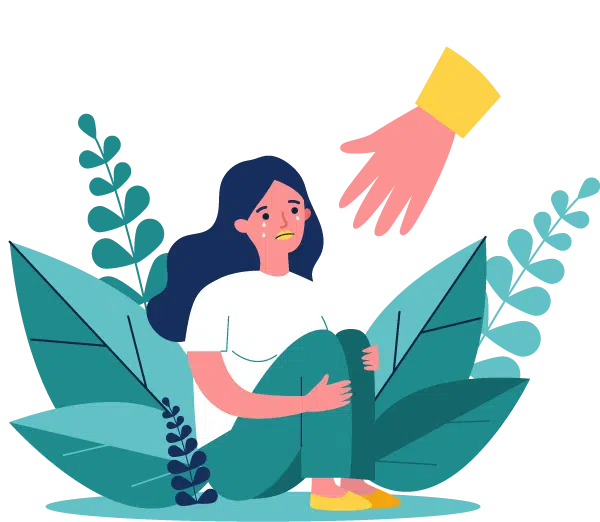

While you were looking forward to summer with excitement, suddenly you can’t find reasons to feel happy. Everyone around you seems to be having a great time, and yet you struggle to feel joy. Summer is often associated with images of relaxation, holidays, sunshine, and social events. And yet, for many people, the summer season doesn’t bring only happiness and carefree moments. On the contrary, it can bring an intense sense of loneliness, isolation, and even depression. One phenomenon that may surprise us is seasonal depression, which is often associated mainly with the winter months, but it can also appear in the summer. You have probably felt what it means for the sense of stability to fade when routine dissolves, structure collapses, and safety seems to drift away. Structure, such as work, school, chores, and activities, provides security and emotional stability. When the school or work schedule is interrupted, that structure is lost, and our inner system can feel unsteady, become anxious without a specific reason, and struggle to find meaning and direction. So instead of feeling free and rested, you may feel as if you are “getting lost” emotionally.

What is seasonal depression?
Seasonal depression (Seasonal Affective Disorder – SAD) is a form of depression that occurs during specific times of the year. Most commonly, it is linked to the winter months due to reduced sunlight. However, there is also summer depression, which is less widely known but equally important. Seasonal depression is characterized by a range of symptoms that affect mood, energy, and daily functioning. In summer depression, symptoms are often connected to rising temperatures, social expectations, and changes in sleep and eating patterns.
If you feel that summer weighs you down instead of revitalizing you, you’re not alone. Speak with a specialist and give yourself space to be heard.
Why do I feel lonely in the summer?
There are several factors that can lead to emotional discouragement and low mood during the summer months, which you may not have had time to consider, such as:
1. Social expectations and loneliness

In summer, society promotes a specific ideal: vacations, parties, outings, beaches full of people. If we can’t live up to that ideal, whether because of obligations or personal difficulties, we may feel lonely and isolated under the pressure that “everything is better in summer” and there is “no reason to worry.” That belief, of course, is not accurate. Feelings don’t choose a season. Comparing ourselves to others, especially through social media, where only the “perfect” summer life is shown, intensifies the sense of loneliness and disconnection, creating anxiety and insecurity.
2. Changes in sleep and routine
Summer changes our routine. The days are longer, we sleep less or more irregularly, and that can affect our mental health. Sleep disturbances are closely linked to depression and anxiety and can intensify the feeling of loneliness.
3. Temperature and biological changes
High temperatures and increased sunlight can affect brain function, especially neurotransmitters related to mood, such as serotonin. For some people, these biological shifts can lead to changes in mood, making them feel more depressed and more isolated.
Do you feel lonely in the summer? Talk with a specialist now and find support. Book your first appointment online easily and quickly!
Key signs of seasonal depression in the summer
If you’re wondering why you feel lonely in the summer, you may be facing symptoms of seasonal depression. Common signs include:
- Intense sadness or a sense of emptiness
- Fatigue and low energy
- Loss of interest in activities you used to enjoy
- Sleep disturbances, such as insomnia or increased need for sleep
- Loss or increase in appetite, with cravings for specific foods
- A sense of isolation and loneliness
- Irritability or anxiety
- Difficulty concentrating
It’s important to remember that having some of these symptoms doesn’t necessarily mean you have depression. However, if depressive symptoms last for weeks or affect your daily life by reducing your functioning, it’s a good idea to seek help.
Why is summer seasonal depression often overlooked?
Seasonal depression is usually associated with winter because of less daylight and colder days. That’s why many people who feel intense loneliness and sadness in summer don’t realize it could also be a form of seasonal depression. In addition, summer is linked with expectations of social activity and joy, which can make someone feel they must hide their emotions, making it harder to seek support because it seems “unnatural” to feel distress in a season associated with carefree living.

Seasonal depression in young people and adolescents
Summer seasonal depression does not affect only adults; it can also appear in young people and adolescents. In reality, the transition from school to vacation, changes in daily habits, and the social pressure to have fun and socialize can become a source of anxiety and isolation for many young people. Often, parents and teachers do not recognize the symptoms because they attribute them to “normal” teenage mood swings or simple summer boredom. However, summer seasonal depression can seriously affect young people’s mental health, with symptoms such as insomnia, withdrawal, irritability, and reduced interest in favorite activities. Support from family and professional intervention are critical. Psychoeducation for parents and finding appropriate psychotherapy for the adolescent can make a meaningful difference in prevention and treatment. Encouraging open communication and cultivating a safe environment where a young person can express feelings without fear of judgment are among the most important steps for strengthening their resilience.
What does research show?
Recent scientific studies suggest that summer depression (Summer SAD) is real and more common than we tend to think.
- Population studies have shown that around 2–9% of people living in Mediterranean or warm climates experience symptoms of summer depression, or Summer SAD, each year, a rate comparable to the winter form. In colder climates, the rate may reach 15–20%.
- In clinical studies, symptoms such as insomnia, anxiety, irritability, and reduced appetite are directly associated with exposure to high temperatures, longer daylight hours, and the emotional pressures tied to summer.
- Developmental studies suggest that genetic markers and individual vulnerabilities, including circadian rhythm dysregulation, play a key role in the development of summer SAD.
- The effectiveness of CBT (cognitive behavioral therapy) and gradual exposure has also been scientifically supported. Over 70% of patients reported significant improvement within 8–12 weeks of treatment.
- Even increased summer time in nature, environmental adjustments such as cooler rooms, and daily self-regulation techniques such as meditation, breathing practices, and nutrition are associated with a 40–60% reduction in symptoms at statistically significant levels.
These findings show with scientific clarity that summer loneliness, sadness, or biological changes are not merely personal perceptions, but form a recognized psychological condition with a full description and evidence-based methods of intervention.
How to manage seasonal depression in the summer
1. Recognize and accept your feelings
The first step in moving through loneliness and sadness is to acknowledge your feelings and accept them without guilt. You don’t have to feel “obligated” to be happy just because it’s summer. You don’t need to pretend you’re smiling while you’re breaking inside.
2. Maintain a steady sleep and nutrition routine
Good sleep quality and balanced nutrition play a significant role in mood regulation. Try to keep a consistent sleep routine and choose fresh, nourishing meals.
3. Prioritize self-care
Summer habits such as a cool shower, time in nature, maintaining physical activity, can reduce symptoms by up to 60%. Engage in activities that bring you energy and pleasure, even if they are small. Physical exercise and meditation can support your mental health and balance.
4. Talk to someone you trust or a professional
Loneliness can feel less oppressive when you share what you’re feeling. Social support protects mental health and can reduce the intensity of depression. Having someone to talk to, someone who understands you and supports you, makes a real difference. Even small actions, such as a phone call or a walk with friends, can improve your emotional state. For many people, however, social contact can feel difficult when they feel overwhelmed or ashamed because of what they’re going through.
If you feel lonely or disconnected in the summer, remember that you’re not the only one. Don’t hesitate to ask for help.
Anna’s story: “Everyone is having fun—except me”
Anna is 36 years old and works as a graphic designer from home. She is outgoing, creative, and used to laugh wholeheartedly. But over the last three summers she has felt a weight she couldn’t explain. The heat exhausted her, the sun felt irritating, and she felt alone. Things she once enjoyed began to feel indifferent.
“Everyone goes out, laughs, travels, and I just don’t feel anything. While the world around me seems to be ‘blooming,’ I feel like I’m withering.”
Every June, she began withdrawing from social activities. The beach, which she used to love, later started to trigger anxiety. Her body “betrayed” her. Sleep disturbances, fatigue, and irritability followed her daily life. Her friends couldn’t understand. Some would ask her, “How is it possible to be sad in the middle of summer?”
“That made me feel even worse, like there was something wrong with me. I ended up avoiding going out, avoiding messages, even avoiding my family. I stayed at home and thought this period would never end.”
Until she read an article about seasonal depression, and something inside her clicked. She recognized the symptoms. She felt that, finally, there was an explanation. She decided to ask for help.
She began online psychotherapy and, as she says, “It was the first time someone didn’t tell me ‘do something to lift your mood,’ but instead listened to me and took me seriously.” With her therapist’s guidance, she understood that asking for help is not weakness, it is care.
Today, Anna doesn’t fear summer. Not everything is perfect, but she knows how to recognize the signs, set boundaries, and take care of herself. And most importantly, she knows she is not alone.
Conclusions
The feeling of “paradoxical” loneliness in the summer is not rare, even if it happens during a “bright” season. You are not doing anything wrong. You are not weak. You may have tied your sense of self to social expectations. The image you see around you can create a false certainty that everyone is having a wonderful time while you have withdrawn into yourself. The season seems to “tell you” to go on vacation and be out with groups. If you don’t do that because of choice, financial difficulty, or stress, that pressure can make you feel as if you have failed, as if you are “outside.” Recognizing the symptoms and addressing them early is the key to finding joy again and reconnecting with yourself and the people around you. Because when you don’t feel well inside, it shows on the outside, no matter how hard you try to hide it.
Start psychotherapy today and don’t let loneliness overwhelm you. Find your psychologist at myTherapist and take the situation into your own hands!
Bibliography
- Rosenthal, N.E. et al. (1984). Seasonal Affective Disorder: A Description of the Syndrome and Preliminary Findings with Light Therapy. Archives of General Psychiatry, 41(1), 72–80. https://pubmed.ncbi.nlm.nih.gov/6581756
- National Institute of Mental Health (NIMH). (2022). Seasonal Affective Disorder. https://www.nimh.nih.gov/health/publications/seasonal-affective-disorder
- Melrose, S. (2015). Seasonal Affective Disorder: An Overview of Assessment and Treatment Approaches. Depression Research and Treatment, Article ID 178564. https://doi.org/10.1155/2015/178564
- Mayo Clinic Staff. (2023). Seasonal Affective Disorder (SAD): Symptoms & Causes. https://www.mayoclinic.org/diseases-conditions/seasonal-affective-disorder
- Norman E. Rosenthal, M.D. (2020). Winter Blues: Everything You Need to Know to Beat Seasonal Affective Disorder. (4th Edition). Guilford Press.
- American Psychiatric Association. (2022). What is Seasonal Affective Disorder? https://www.psychiatry.org
- University of Georgia Health Center. (2023). Understanding Summer SAD. https://www.uhs.uga.edu
- Washington Post Wellness. (2025). 3 ways to protect your mind and body when the heat rises. https://www.washingtonpost.com/wellness/2025/06/24/summer-heat-brain-mental-health-tips
- Verywell Mind. (2024). Summer Depression: Symptoms, Diagnosis & Treatment. https://www.verywellmind.com/summer-depression-symptoms-risk-factors-diagnosis-treatment-and-coping-4768191
- Time Magazine Health. (2023). Summertime Sadness: Why You Might Feel Depressed in Summer. https://time.com/5287625/summer-seasonal-affective-disorder
Related articles