Have you been feeling lately that everyday life feels heavier than you can carry? That something has changed in your mood, your energy, your communication, but you can’t quite name what? Maybe you’ve noticed you’re losing interest in things that used to bring you joy, or that small difficulties feel harder than they usually do.
On this day, World Day Against Depression, on January 13, we want to pause with the topic of depression and show you how you can take small but meaningful steps toward change. Depression is not “just” feeling sad or down. It affects how you function day to day, your relationships, and your quality of life. And yes, you can do something about it: you can ask for help, adjust habits, and gradually improve your mood and energy.
What depression is
Depression is a mental health condition characterized by persistent low mood, reduced interest or pleasure in activities, changes in appetite and sleep, fatigue, and reduced self-esteem. According to the DSM-5, a major depressive episode may be diagnosed when the following are present:
- A persistently depressed mood.
- A marked loss of interest or pleasure in activities you once enjoyed.
- Changes in appetite or weight.
- Sleep disturbances (insomnia or oversleeping).
- Fatigue or low energy.
- Feelings of worthlessness or excessive guilt.
- Difficulty concentrating or making decisions.
- And in severe cases, thoughts of death or suicide.
For diagnosis, most of these symptoms need to be present nearly every day for at least two weeks and cause significant impairment in daily life. Not all symptoms need to appear at the same time. Even the presence of some can strongly affect your life and deserve attention.
This day, January 13, exists to remind us that depression is more common than many people realize. You are not alone, and there are ways of coping that can help you feel better, reconnect with what matters to you, and improve your day-to-day life step by step.
How much has depression increased in recent years?
Depression is more common than many people think. Globally, about 5 percent of adults experience depression, meaning more than 280 million people. The COVID-19 pandemic increased rates of major depression by about 27 percent, and women show a higher likelihood of experiencing depression compared to men.
In Greece, available data suggest that about 5.7 percent of the population has a diagnosed depression. In specific groups, such as university students, the percentage reporting “moderate to severe” depression reaches nearly 36 percent, while among women, self-reported depression can reach up to 39.8 percent.
These numbers show that depression is not rare, and you do not need to feel shame or weakness if you are experiencing it. It’s important to know that there are ways to manage it, even through small daily changes, personal strategies, and professional support when needed. Understanding and accepting what is happening is the first step toward regaining psychological balance.
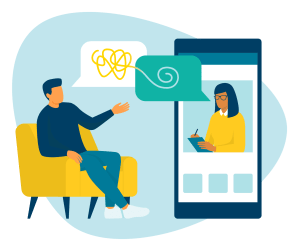
Your mental health deserves your attention. Book an online session with a professional and give yourself the support you need to feel better.
Signs of depression in adolescents
Depression does not affect only adults. Teenagers and young adults may show different symptoms that are sometimes less obvious but just as important. Common signs include:
- Social isolation and withdrawal from friends or activities that used to interest them.
- Loss of interest in school or extracurricular activities.
- Sudden mood changes, irritability or angry outbursts.
- Changes in sleep and appetite often accompanied by unexplained fatigue.
- And reduced self-esteem or self-blame for things that are not their responsibility.
If you notice these signs in a teenager, it matters to respond with understanding and support. Open conversations without criticism and seeking professional help can make a significant difference. Prevention is always more effective than waiting until the situation becomes more severe.

Depression and social isolation
Depression and social isolation are closely connected. Pulling away from others can intensify negative feelings and make daily life harder. When you feel isolated, energy drops, sadness grows, and interest in activities that once brought joy fades.
Isolation can create a vicious cycle: the more you isolate, the more likely your mood will fall and negative thoughts will increase. In contrast, connection with others can act as a protective factor for mental health.
Even small daily interactions, a short conversation with a friend, a message, a phone call, can improve your mood and reduce loneliness. Try not to ignore your need for communication and social support. Stay in contact with people you trust, take part in groups or activities that interest you, and seek support when you need it. Every small effort toward connection matters in coping with depression.
Prevention and self-help
Prevention and self-help are important tools for protecting your mental health. Recognizing early signs can help you respond before things become more serious. Some practical daily steps include:
- Noticing early changes in mood: sleep, appetite, or interest in activities that used to bring you joy.
- Managing stress and emotions: through simple habits like deep breathing or short movement.
- Strengthening mental resilience: by staying connected with friends and family, joining activities that nourish you, and asking for support when you need it.
Prevention does not require major changes. Even small daily efforts can make a real difference and reduce the chances that depression will progress into a more severe form. A ten-minute walk, a phone call, or journaling your feelings can be protective.
Why depression may “knock on your door”
“January 13, World Day Against Depression” reminds you that depression can happen to anyone. Certain factors can increase risk, such as:
- Ongoing stress, loss, or traumatic events.
- Chronic illness or physical health challenges.
- Social isolation or lack of support.
- Financial hardship.
- Adolescence or young adulthood, where rates can be higher.
- Women with a history of depression or postpartum.
If you notice some of these signs in yourself, pay attention and do not dismiss your feelings. Recognition is the first step toward better mental health. Realizing there is a problem and wanting to address it is already an important victory.
If you feel these signs, don’t ignore them. Book an online session with a licensed therapist and give yourself the support you need.
World Day Against Depression five ways to support yourself today
On World Day Against Depression, January 13, here are a few simple ways you can start today to support your mood and take a small step toward self-care.
⏰ Create a routine
- Try to wake up and go to sleep more consistently. Stability supports your mood.
- Schedule small activities in your day that offer even a little satisfaction.
- Before bed, take a few minutes for reflection and ask yourself, “What did I feel today?”
🏃♂️ Move your body
- Even a few minutes of gentle exercise or a short walk can noticeably improve mood and energy.
- Spending time with friends can offer emotional support and help you feel more connected.
🧘 Focus on the present.
- Give yourself a few minutes each day for simple mindfulness or deep breathing.
- Bring your attention back to the present moment when your mind drifts to the past or future.
🤝 Ask for support
- If you feel you can’t manage, talk to someone you trust or begin online psychotherapy through our platform. You don’t have to solve everything alone.
✨ Small changes, big results.
- Reducing alcohol and excessive caffeine can improve energy and mood.
- Practice acceptance, “I don’t have to be perfect right now.”
- Write down three things you feel grateful for to gently shift your focus toward what is supportive in your life.
Take just one small step today.
Choose one practice you read and try it today. Small changes can have a big impact on your mood.
Pause with yourself
Take a breath and give yourself a little time to notice how you feel in this moment. Identify one small sign of your mood and give it meaning. Observing your emotions without judgment is the first step toward feeling better. You can begin with simple questions like, “What am I feeling right now?” or “Which moments today made me feel even slightly lighter?”
Connecting with yourself helps you understand which small changes can support you. Even if those moments are brief, they matter. Recognizing your emotional experience is the beginning of change.
When professional support is needed
Depression can become more serious when:
- Distress lasts longer than two weeks and affects everyday functioning.
- When there are thoughts of self-harm or suicide.
- Or when there is a significant drop in appetite, sleep, or activity.
If you notice your mood stays low despite your efforts or you struggle to meet daily responsibilities, it is important to seek support from a mental health professional. Early intervention can prevent symptoms from worsening and help you regain balance and hope. January 13, World Day Against Depression, reminds us that seeking help is not weakness, it is strength, and it is the first step toward change.
A message for you
In the shadow of January 13, remember this: you don’t need to be perfect to ask for help. You don’t need to have all the answers or know exactly how everything will change immediately. What matters is the first step: acknowledging how you feel and deciding to take care of yourself. Depression does not define who you are, and it does not reduce your worth. It is an experience you can work through and change, with small but meaningful daily steps.
Pay attention to the small signs in your mood, your energy, your thoughts. Don’t wait for it to “pass by itself". Your action today, even if it seems small, can shape a better tomorrow. Stay connected with people around you, talk about what you feel, ask for support, and make room for self-care. Every moment you invest in caring for yourself counts and strengthens you. Remember: change starts with you, and every step, no matter how small, matters for your mental health and your quality of life.
The first step is the hardest, and also the most important. Take the step to speak with one of our licensed therapists and open the path toward change.
Bibliography
- American Psychiatric Association (2013). DSM-5 Diagnostic criteria for mental disorders.
- World Health Organization (2023). Depression Fact Sheet.
- Hellenic Psychiatric Association (2022). Statistics on Depression in Greece.
- COVID-19 Mental Health Impact Studies, The Lancet, 2021.
- Beck, A. T., and Alford, B. A. (2009). Depression Causes and Treatment. University of Pennsylvania Press.
- National Institute of Mental Health (2023). Depression.
Related articles