
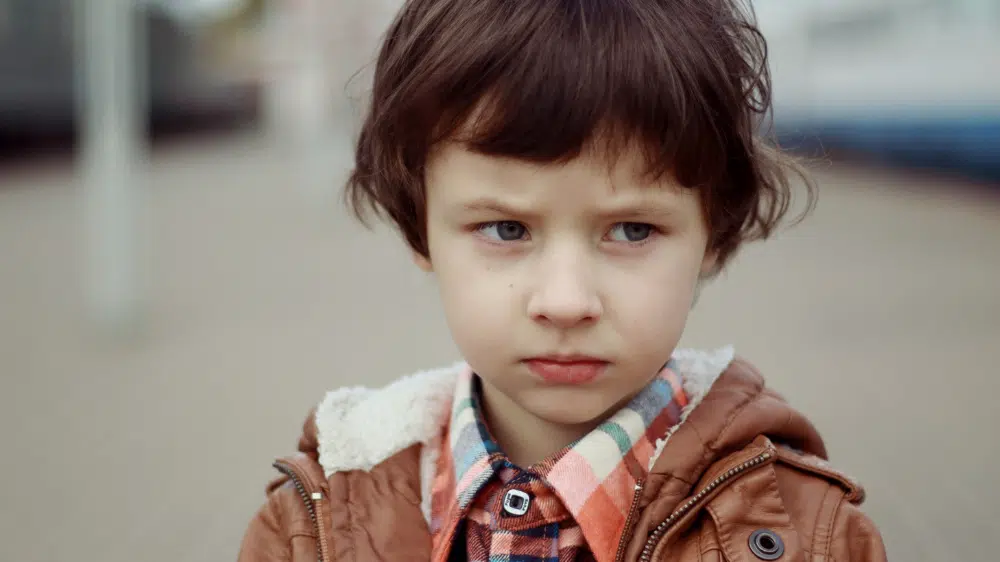
Selective mutism is a distinct and relatively rare emotional difficulty of childhood. It is an anxiety disorder characterized by a child’s inability to speak in certain social settings, even though they can speak normally with familiar people, such as family members. Although it is often confused with shyness or social anxiety, selective mutism is a recognized psychological disorder with specific symptoms and therapeutic approaches. It is not a refusal to speak or a developmental delay, but rather a dysfunctional anxiety mechanism that “freezes” the ability to speak in particular social situations.
What is selective mutism?
Selective mutism is characterized by:
- Refusal or inability to speak at school or during social events.
- Typical speech at home or with close, trusted people.
- Use of gestures or other nonverbal forms of communication outside the familiar environment.
It is often mistaken for shyness, but it is a distinct psychological condition with clear symptoms and causes. The absence of speech must last at least one month and must not be limited to the first month of school attendance, and it must significantly interfere with educational, occupational, or social functioning.
Causes of selective mutism and psychological factors
Biological and genetic causes
Α. Temperament and sensitivity to anxiety
The strongest risk factor is an inhibited temperament.
- Heightened sensitivity Children with selective mutism are often born with a nervous system that is unusually sensitive to new situations, unfamiliar people, or social pressure.
- Overactivity of the amygdala It is believed that the amygdala, the brain’s fear center, is overactive in these children. When they find themselves in an anxiety-provoking social situation, the amygdala triggers the body’s “freeze” response, blocking the ability to speak.
Β. Genetic predisposition
- Genetic vulnerability to social anxiety.
- Neurobiological imbalances that intensify fear of speaking.
- There is a strong association Children with selective mutism often have family members who struggle with social phobia or other anxiety disorders. This suggests they inherit a genetic vulnerability to the expression of anxiety.
C. Language Difficulties (Secondary Factor)
Although selective mutism is not primarily a language disorder, a significant proportion of children have a history of speech or language difficulties. These difficulties can increase a child’s anxiety about producing speech, making them more vulnerable to silence in stressful situations.
Psychological and environmental factors
Psychological factors do not cause selective mutism, but they maintain and intensify the disorder once it appears.
Α. The trap of avoidance and negative reinforcement
This is the main psychological mechanism that maintains the condition:
- Πυροδότηση Anxiety trigger: The child enters a social environment such as the classroom and feels intense anxiety.
- Freeze response They are unable to speak and fall into silence or avoidance.
- Relief Silence temporarily reduces anxiety.
- Learned behavior The brain learns that silence is the only way to manage anxiety. This negative reinforcement, the removal of anxiety, makes silence the dominant behavioral response.
B. The role of parents unintentional reinforcement
Overprotection or rescue The parent speaks on the child’s behalf, for example answering the teacher’s questions. This prevents the child from experiencing the need to speak and strengthens their reliance on the parent.
- Selective attention The child focuses exclusively on observing others, fearing judgment, and overanalyzing social situations, which increases anxiety.
- High parental anxiety Parents who feel intense anxiety can transmit this emotional state to the child, making them more anxious in new situations.
C. Social pressure and selective attention
- Social pressure Pressure to speak “Why don’t you talk” “Say hello” dramatically increases the child’s anxiety and strengthens the freeze response.
- Selective attention The child focuses exclusively on observing others, fearing judgment, and overanalyzing social situations, which increases anxiety.
In summary, selective mutism develops on a sensitive biological foundation, an inhibited temperament, and becomes entrenched through avoidance and environmental reinforcement as a dysfunctional way of coping with social anxiety.
D. Environmental factors
- Family communication patterns that do not encourage emotional expression.
- Changes in the school environment or in social circumstances.
Personal story Maria, 7 years old, has always spoken comfortably at home. But when she started school, she suddenly fell silent. She did not talk to any teacher or classmates except when she was in a safe environment, such as at home with her mother. Any attempt to speak in class caused severe anxiety and physical symptoms such as palpitations and sweating. Maria's story shows how common but often imperceptible selective salivation can be and how important early psychological intervention is to help a child regain the confidence to express themselves.
Symptoms of selective mutism and diagnosis
The main and most common symptoms of selective mutism include:
- Refusal or inability to speak in social situations.
- Physical signs of anxiety such as palpitations or sweating.
- Difficulty forming relationships outside the family context.
Diagnosis is made by a child psychologist or child psychiatrist through:
- A comprehensive behavioral evaluation.
- Observation in the school setting.
Assessment of possible coexisting communication difficulties or childhood anxiety disorders.
How is selective mutism treated?
Treatment typically involves a combination of psychological and educational interventions, focusing on the child’s anxiety and strengthening speech in an environment that feels safe and becomes gradually more demanding.
1. Psychotherapy
- This is the first line treatment for selective mutism.
- It aims to identify and manage speech related anxiety.
- It includes gradual exposure to situations that require speaking, such as brief conversations with teachers or classmates.
- It strengthens the child’s confidence and social skills.
2. Speech and language therapy
- Activities that support language development.
- Use of play and songs to reduce anxiety.
3. Family intervention
- Parent training to support communication.
- Development of strategies for positive feedback and encouragement of speech at home.
- Management of overly protective or pressuring behavior so the child does not feel forced to speak.
4. School support
- Adjustments in the school environment to support safe expression of speech.
- Collaboration with teachers for positive reinforcement and discreet guidance.
Conclusion
Selective mutism can feel like an invisible wall between a child and the world around them. Yet every silence hides fear and anxiety, not a lack of willingness or intelligence. With patience, love, and appropriate guidance, children can find their voice again and express what they feel and think.
Early diagnosis and individualized psychological intervention give the child the opportunity to overcome anxiety, strengthen self-esteem, and participate actively in social and school life. Every small step toward speaking is a great victory, not only for the child but also for the family that supports them.
The message to parents and teachers is clear With support, love, and collaboration with specialists, silence can become voice and insecurity can become confidence.
Bibliography
- American Psychiatric Association. 2013. Diagnostic and Statistical Manual of Mental Disorders DSM 5.
- Bergman R L Piacentini J and McCracken J. 2002. Selective Mutism and Social Anxiety Disorder All in the Family. Journal of the American Academy of Child and Adolescent Psychiatry 41 8 938 945.
- Cohan S L Chavira D A and Stein M B. 2006. Functional impairment in children with selective mutism. Journal of Child Psychology and Psychiatry 47 12 1211 1218.
- Oerbeck B Overgaard K E and Stein M B. 2018. Selective Mutism Current Trends and Recommendations for Future Research. Current Psychiatry Reports 20 6 45.
- Viana A G Beidel D C and Rabian B. 2009. Selective Mutism A Review and Integration of the Last 15 Years. Clinical Psychology Review 29 2 57 67.
Related articles