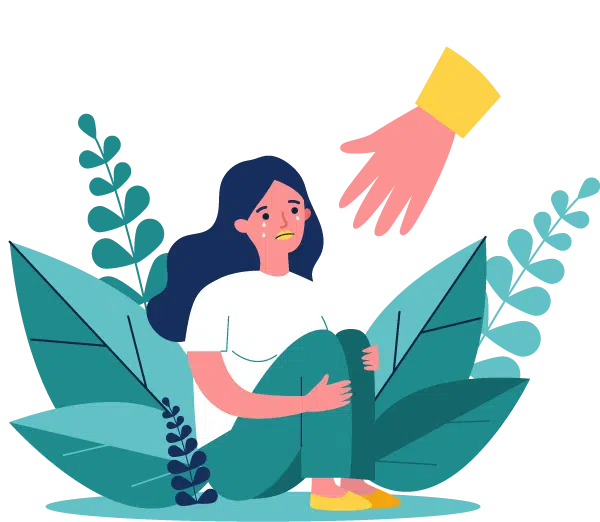

We all carry experiences from our childhood. Some are filled with warmth and safety, while others leave marks that continue to affect our lives years later. Childhood trauma is not always visible; it may not come with clear memories or identifiable events, yet it can show up through emotions, thoughts, and behaviors in adult life. Childhood traumas do not always remain in the past on the contrary, they follow us into adulthood and often shape the way we see ourselves, other people, and the world around us. A child who learned that love comes with rejection or indifference often grows up seeking relationships that reproduce this pattern, even when it is painful. A child raised in an environment of tension or violence may, as an adult, live in constant hypervigilance - ready to respond to “danger,” even when no real threat exists. Trauma can seriously affect our lives, creating difficulties in mental and physical health, Self esteem, emotion regulation, and interpersonal relationships. The impact may include anxiety, Depression, low self-esteem, trust issues, and the use of maladaptive coping mechanisms, while psychological and psychotherapeutic support is crucial for healing.
What are childhood traumas and how do they develop?
Trauma is not always a major, obvious experience of abuse. A trauma can also be something “quiet,” yet still deeply imprinted on a child’s soul. Trauma is an emotional wound that forms when a child experiences something that exceeds their capacity and ability to process it. Childhood traumas are painful experiences a child went through that surpassed their ability to process them in a healthy way. They do not always have to be “big” or “dramatic.” They can be the ongoing sense of neglect, the lack of emotional responsiveness from parents, or an atmosphere of tension at home.
There are different types of trauma:
- Family trauma: when a child grows up in an environment full of arguments, violence, addictions, absence, or silent coldness.
- Emotional trauma: rejection, constant criticism, lack of hugs and tenderness.
- Loss trauma: death of a parent or caregiver, divorce, abandonment.
- Abuse-related trauma: physical, verbal, or sexual abuse.
The common thread is that the child is left alone with their pain, without the tools to understand it or share it.
How is trauma “recorded”?
A child does not yet have the mechanisms to manage intense emotions. So the mind finds ways to “survive”:
- It may repress the memory (which is why many adults do not remember parts of their childhood).
- It may develop negative beliefs about the self: “I’m not worthy,” “It’s my fault,” “I’m not enough.”
- It may adopt defensive behaviors, such as withdrawing from others or developing an excessive need for control.
Adult behaviors linked to childhood trauma
Childhood trauma and adult life are closely connected. Experiences that have not been healed often emerge later in different ways:
- Difficulty with commitment: involvement with emotionally unavailable partners, fear of intimacy, or, conversely, excessive attachment.
- Low self-esteem: constant inner criticism, the feeling that “I don’t deserve to be loved.”
- A tendency toward toxic relationships: attraction to partners who repeat manipulative behavioral patterns.
- Emotional insecurity: persistent fear of abandonment or rejection.
- Self-destructive behaviors: excessive substance use, eating disorders, self-sabotage.
So, often without realizing it, we “carry the child within us” who did not receive the love and support they needed..
Every step towards understanding the past is a step towards a healthier future. You don't have to be alone on this journey.
Are we our childhood traumas?
We often say that “we are our childhood traumas.” This means that the experiences we did not process back then shape our present. At first, that may sound pessimistic or even fatalistic, but it contains an important truth: our earliest experiences have a deep impact on who we become as adults. However, we are not only those traumas. Awareness, self-knowledge, and psychotherapy give us the opportunity to “rewrite” our story. The link between childhood trauma and adult life is not a life sentence. It is a reminder that, no matter how deep the wounds are, we can recognize them, care for them, and free ourselves from them.
Why don’t I remember my childhood years?
Many adults have memory gaps from childhood. This does not necessarily mean that nothing important happened; on the contrary, it may be a defense mechanism.
Defense mechanisms
- Repression: the mind “buries” painful memories.
- Dissociation: the person psychologically “disconnects” from the experience in order to endure it.
- Avoidance: situations that remind one of the trauma are avoided.
The brain and memory
The amygdala (which regulates emotions) may become overactive, while the hippocampus (which stores memories) can struggle to organize experiences. The result is fragmented or absent memories.
How can I recognize my trauma?
It isn’t always easy to recognize childhood trauma, especially when we don’t have clear memories. But there are signs:
- Repeated relationship patterns (e.g., attraction to toxic or emotionally distant partners).
- Overreactions to “small” situations (anger, anxiety, fear).
- Internal beliefs that sabotage us (“I don’t deserve love,” “I’m a burden”).
- A persistent sense of emptiness or loneliness.
Psychotherapy - especially trauma-focused approaches (such as EMDR) - helps us uncover, recognize, and process trauma safely.

Intergenerational trauma: How does it pass from one generation to the next?
Many family traumas are transmitted from generation to generation. A child who grew up in an environment of fear or lack of love may - without realizing it - repeat the same patterns in their own bonds. Intergenerational trauma refers to experiences of pain, fear, or dysfunction that do not only affect the person who lived them, but are passed on to the next generation. It often appears in families where violence, neglect, poverty, or psychological difficulties were never fully processed.
How trauma is transmitted
- Emotional templates: children observe their parents’ behavior and learn to respond in the same ways to fear, anger or anxiety.
- Non-verbal communication: tension, distance, or emotional coldness between parents is experienced by the child as a sense of insecurity.
- Unprocessed psychological burden: when parents have not healed their own traumas, they often “pass them on” indirectly through expectations, criticism, or emotional distance.
Impact on the next generation
- Relationships: children grow up with fear of abandonment or difficulty trusting.
- Emotional health: increased risk of anxiety, depression, self-doubt.
- Behavior: repeated patterns of toxic relationships or addictive behaviors.
How to break the cycle
- Recognize the patterns: the first step is to see where our emotional struggles come from.
- Psychotherapy: processing trauma - individual and family, helps interrupt transmission.
- Informed parenting: we learn to care for our children consciously so they do not repeat the same patterns.
Intergenerational trauma shows that a family’s past can influence far more than we imagine. Yet it is crucial to build a new path for future generations.
How can I care for my inner child?
The inner child is the part of us that carries our earliest experiences, needs, joys, and also the traumas of childhood. When these traumas have not been healed, they affect our self-esteem, our relationships, and the way we experience the world as adults. Healing childhood trauma is a process that requires time, patience, and targeted support. What matters is understanding that trauma does not simply disappear with time, it heals when we actively face it. Caring for the inner child is central to mental health and personal growth.
1. Recognition and acceptance
The first step is to acknowledge that this child exists within us:
- Notice when you feel fear, sadness, or anger that seems disproportionate to the current situation.
- Understand that these emotions come from unprocessed childhood experiences, not from your adult self in the here and now.
- Accept that these feelings are normal and need attention - not suppression.
2. Self-compassion
Speak to yourself with tenderness and understanding, the way you would speak to a child you love:
- “I understand that you’re scared. I’m here with you.”
- “It wasn’t your fault what happened. You deserve love and care.”
- Regular self-compassion practice reduces inner criticism and strengthens self-esteem.
3. Creative activities
Encourage your inner child through activities that bring joy and freedom:
- Drawing, music, dancing, or play.
- Activities you loved as a child—or always wanted to try.
- This helps you reconnect with a sense of joy and creativity that may have been lost.
4. Journaling and emotional expression
- Keep a journal to write what you feel, even if it doesn’t easily come into words in daily life.
- Release emotions that otherwise remain “trapped,” and strengthen self-awareness.
5. Safe relationships
- Surround yourself with people who offer safety, support, and mutual respect.
- Trust and a sense of acceptance in relationships help the inner child feel safe and loved.
6. Reconnecting with the body
- Trauma is stored in the body too. Practices like yoga, deep breathing, and stretching support reconnection with the body and the release of tension.
7. Gradual trauma healing
- Combine self-care with therapeutic approaches (CBT, EMDR, Gestalt therapy).
- Caring for the inner child becomes more effective when guided by a professional.
It is important to know that by caring for our inner child, we do not simply revisit the past. We learn to love and support ourselves in the present, reducing patterns of toxic behavior and emotional distress.
Free yourself from the chains of childhood trauma. Take the first step and find the therapist who will support you on this journey of self-discovery.
Love and childhood trauma: How do they affect our relationships?
Love is one of the most powerful emotions we experience as adults. Yet childhood trauma can shape the way we fall in love, commit, and connect emotionally with our partners.
1. Attraction to partners who repeat the trauma
- People who have experienced abandonment or emotional neglect often feel drawn to partners who are unavailable or emotionally distant.
- Subconsciously, the mind attempts to “repeat” and resolve childhood trauma through the romantic partner.
2. Difficulty trusting
- Childhood trauma often leads to fear of commitment or difficulty trusting.
- An adult may struggle to express emotions or open up to a partner.
3. Repeating patterns
- A cycle of repeated disappointments and conflicts is common in relationships.
- The need for safety, acceptance, or approval can lead to relationships that confirm the childhood trauma instead of healing it.
4. Emotional dependence and control
- Love can be accompanied by pathological dependence or jealousy, especially when the trauma involves insecurity or fear of abandonment.
- The partner may be used unconsciously to fill emotional needs that were not met in childhood.
5. Therapy and conscious love
- Psychotherapy helps us recognize how trauma affects love and our relationships.
- Mindful self-observation gives us the ability to break cycles of repetition.
- Healthy commitment is built on understanding, communication, and acceptance - of both ourselves and our partner.
Love can become a tool for healing - or, on the contrary, it can reactivate old wounds. By recognizing how childhood trauma influences the way we love, we can build relationships grounded in trust, safety, and emotional maturity.
Live freely from the wounds of the past. Support is the first step. Begin the therapeutic process today and learn how to build healthy relationships, self-esteem, and inner calm.
Conclusion: It’s not your fault
Trauma, especially when it comes from childhood, or from experiences that exceed our capacity does not result from our responsibility or weakness. Often, people who have lived through abuse, neglect, rejection, or violence internalize guilt, believing that “they did something wrong” or that “they deserved it.” In reality, trauma is the result of external conditions and experiences that no one should have to endure - not the result of our own mistakes. But while you are not to blame for what happened, healing and recovery are now in your hands. Taking responsibility for caring for yourself is not taking on guilt; it is choosing to give yourself what you lacked. With the support of a professional, an understanding of your patterns, and mindful care for your “inner child,” you can heal trauma and live with greater freedom, peace, and self-love. You are not responsible for your trauma, but you have the power to choose your healing. That is the first and most important step in breaking cycles of pain and building a life you deserve.
Bibliography
- Georgiadis, G. (2018). Psychology of Traumatic Experience and Healing. Papazisis Publications.
- Koutsogiannis, A. (2020). Childhood Trauma and Emotional Development in Adult Life. Gutenberg Publications.
- Babiniotis, L. (2015). Mental Health and Human Development. Kritiki Publications.
- Tsironis, P. (2019). Childhood Trauma Therapy: Approaches and Techniques. Klidarithmos Publications.
- Perry, B. D., & Szalavitz, M. (2006). The Boy Who Was Raised as a Dog: And Other Stories from a Child Psychiatrist’s Notebook. Basic Books.
- Courtois, C. A., & Ford, J. D. (2013). Treatment of Complex Trauma: A Sequenced, Relationship-Based Approach. Guilford Press.
- Levine, P. A. (2010). In an Unspoken Voice: How the Body Releases Trauma and Restores Goodness. North Atlantic Books.
- Herman, J. L. (1997). Trauma and Recovery: The Aftermath of Violence – From Domestic Abuse to Political Terror. Basic Books.
- Siegel, D. J. (2012). The Developing Mind: How Relationships and the Brain Interact to Shape Who We Are. Guilford Press.
Related articles