
A person’s first relationship - the one with their parent, is the most important relationship of their life, as it decisively influences their later development.
Children’s relationships with their parents and other family members can be seen as a system or network of interacting parts.
Parents contribute to the development of the first skills children need for later autonomy, and they help shape healthy personalities that can cope with the various challenges each child will face, depending on the developmental stage they are in.
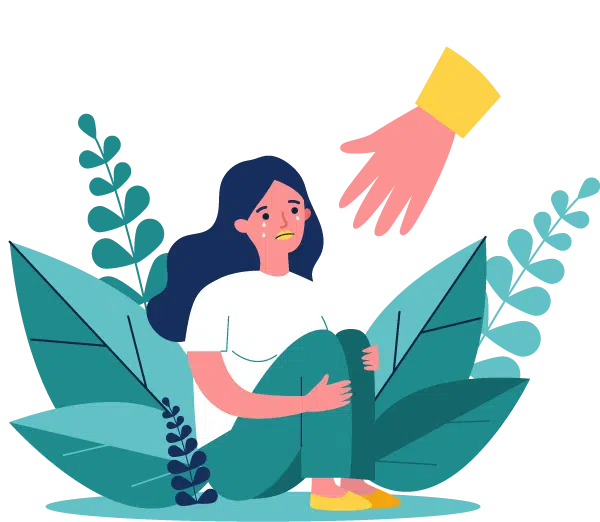
But what happens when a parent becomes excessively stressed - when they have an anxious disposition? Based on what has been mentioned above, it is easy to see that there is a possibility they may become a carrier of anxiety for their child.
More specifically, a chain of behaviors from anxious parents - outlined below - can result in them passing their anxiety on to their children.
- Parents’ fears and worries are expressed in front of the child. Most of the time, they also use negative words that transmit feelings of anxiety to the child.
- Another thing that can cause anxiety in a child is when the parent shares excessive information with them - information about financial or professional issues that the child cannot process or manage because it does not match their age. In other words, it turns the child into an “adult” and makes them anxious.
- There is also a risk that children may become “transmitters” of their parents’ anxiety when parents place excessive demands and expectations on them. They constantly ask for more, are not satisfied, and overwhelm the child with expectations they struggle to meet. As a result, children feel anxious, become insecure, and try harder because they fear that if they don’t succeed, mom and dad might not love them.
- Many times, along with excessive demands, comparisons are added - either with other children or with siblings. For example, an anxious mother who worries about her daughter’s performance at school may compare her to a friend: “Katerina got 10s in everything - why didn’t you?” In this way, the child becomes anxious and starts wondering whether they are accepted and capable.
- Finally, the absence of rules and clear boundaries at home contributes to tension and insecurity, laying the groundwork for chaotic situations that may lead the child to develop anxiety.
It has been shown that 50% of children who grew up with anxious parents become anxious as well, like their parents.
So, it’s easy for an adult to transfer their anxiety to their child, causing the child to feel worry, fear, and excessive tension. Let’s make sure we create a safe family environment and avoid - unintentionally - making children participants in our own anxiety and problems.
Let us remain the adults and let them remain children!!!
By Evgenia Farmaki, psychologist | 14/10/2020
Related articles