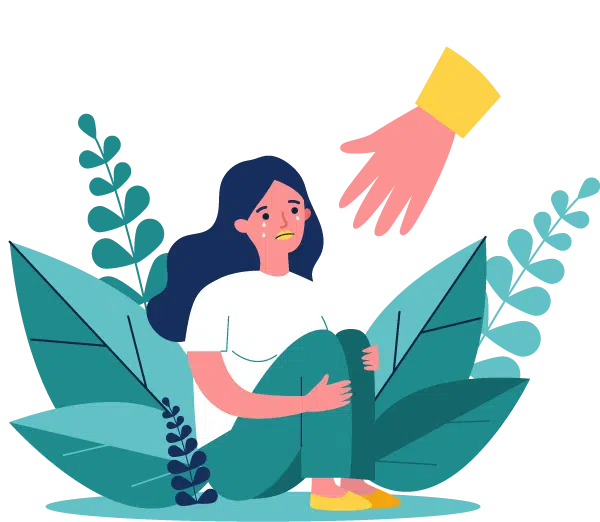

Have you ever felt like you’re walking on a tightrope around your partner or family members? Do their words hurt you more than any physical wound ever could? 😔 Psychological abuse is a subtle but harmful form of violence that often goes unnoticed, leaving deep emotional scars. In this article, we will explore the signs of psychological abuse, share a powerful real-life story, and suggest pathways for coping and healing.
What Is Psychological Abuse? 🤯
Psychological abuse includes behaviors aimed at controlling, humiliating, and devaluing another person. Such behaviors may include:
✅ Verbal aggression: Insults, yelling, threats.
✅ Control and manipulation: Restricting freedom, isolating you from friends and family.
✅ Devaluation: Constant criticism, mocking, dismissing your feelings and achievements.
If you feel that you are living something similar, don’t hesitate to ask for help. Speak today with one of our licensed therapists.
Statistical Data on Psychological Abuse 📊
📍 Worldwide: Research shows that 48.4% of women and 48.8% of men in the U.S. have experienced psychological aggression from an intimate partner (thehotline.org).
📍 Greece: According to a study, 6% of pregnant women in Greece reported experiencing domestic violence during pregnancy, mainly by a husband or partner (pmc.ncbi.nlm.nih.gov).
Real Story: Sarah’s Experience 💔
Sarah, now 28, shares her story in the hope of helping other women who may be in a similar situation.
“When I met Michael, I was only 19. He was charming, kind, and made me feel special. He told me I was the most beautiful woman he had ever met, that no one could love me the way he did. I was so in love that I ignored the small warning signs… the little comments that hurt me, the moments when he made me feel inadequate. ‘Don’t wear that, you look ridiculous,’ ‘You don’t know how to speak in front of people, you’d better keep quiet,’ ‘Your family doesn’t understand you like I do.’ His words started carving wounds inside me that no one could see.”
📍 The beginning of isolation and psychological manipulation
Little by little, he began isolating me from everyone. If I went for coffee with a friend, he became cold and distant. If I spoke to my mother about something that was bothering me, he got angry. ‘Why do you talk to her so much? Only I truly understand you.’ At first, I tried to reassure him. I started seeing my friends less, avoiding my mother, keeping my thoughts to myself. Until one day, I realized I had no one left.” “After two years together, I became pregnant. That’s when everything changed. Michael—the charming man who had won me over—became someone else. He started yelling at me over the smallest things, telling me I was ungrateful, that I wasn’t capable of being a mother. ‘Who do you think will love you if you leave? Who would want a woman with a child?’ Those words made me feel trapped. I thought maybe he was right. Maybe I wasn’t enough. Maybe no one would love me.”
📍 The cycle of violence and apology
“There were times I was ready to leave. One day, I went to visit my mother after months. When I came back, he was furious. ‘Where were you for so many hours? You can’t leave the house whenever you feel like it!’ He smashed a glass against the wall. That night, for the first time, I felt afraid. But the next morning, he woke me up with flowers. ‘I’m sorry, baby. I love you so much, I’m just terrified of losing you.’ And I forgave him. Like always. Because I wanted to believe he would change. But he never did.”
📍 The decision to leave and the healing journey
“It took three years for me to realize that I was not the problem. The moment that made me see the truth was when my daughter—two years old at the time—looked at me one day while I was crying and said, ‘Mommy, don’t cry.’ In that moment, I understood that if I stayed, my daughter would grow up believing this is what love looks like. And I never wanted her to feel that love hurts. I left one morning while he was sleeping. I left with nothing but my daughter and my dignity. The first months were hard. I had lost my confidence, I was afraid he would show up again. But I found support, I went to psychotherapy, and little by little I began to remember who I was before him. And today, I can say that I am free.”

If you feel you are living something similar, remember: It is not your fault. And you are not alone. Don’t hesitate to reach out for help. Speak with a professional today.
Signs That Indicate Psychological Abuse ⚠️
❌ Constant criticism: Your partner criticizes you repeatedly, undermining your self-confidence.
❌ Isolation: They discourage or prevent you from spending time with friends and family.
❌ Control: They insist on knowing where you are at all times and demand access to your private messages.
❌ Invalidation of your feelings: When you express your emotions, they dismiss or ridicule them.
The Impact of Psychological Abuse
Anxiety and depression: Victims often develop serious mental disorders.
Post-traumatic stress disorder (PTSD): Constant abuse can lead to symptoms of PTSD.
Physical problems: Headaches, gastrointestinal issues, and chronic pain are common among victims of psychological abuse.
Coping and healing 💡
✔️ Acknowledge the problem: The first step is recognizing that you are experiencing abuse.
✔️ Seek support: Talk to friends, family, or professionals about what you’re going through.
✔️ Set boundaries: Try to establish clear limits with the abusive person.
✔️ Seek professional help: Psychotherapy can help you rebuild self-esteem and develop effective coping strategies.
You are not alone. Speak with one of our licensed therapists and reclaim your life. 💙
Related articles